




Property Investments in Birmingham
Birmingham presents a compelling opportunity for investors seeking affordability, high rental demand, and regeneration-led growth. Backed by corporate relocation and £80bn in new investment, the city is creating new opportunities across emerging rental neighbourhoods. With early-phase pricing, exclusive incentives and premium developments in key regeneration zones, Birmingham offers a diverse range of opportunities for investors ready to enter the market.

Key Performance Indicators
Birmingham Property Investment in Numbers
£233,000
average house price in Birmingham
6%
average AST rental yields in Birmingham
+27.6%
5 year property price growth forecast for Birmingham
+22.2%
rental prices increase by 2028
15%
population growth by 2031 forecast
£80bn+
invested in the city's regeneration
Our Portfolio
Short-Term Lets

Paper Yard
STL Yields up to 10%
Completion Q4 2026
1- & 2-beds
Birmingham
Find Out More about Paper Yard
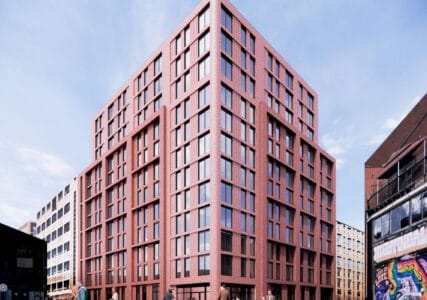
Southside Residences
Yields up to 7.95%
Completion Q3 2027
1- & 2-beds
Birmingham
Find Out More about Southside Residences
Off-Market
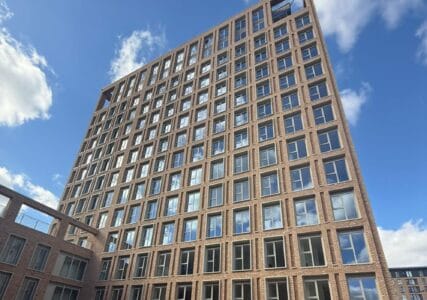
Southside off-market
Yields up to 5%
Completed
1- & 2-beds
Birmingham
Find Out More about Southside off-market

Smithfield House
Yields up to 7.95%
Completion Q3 2027
1- & 2-beds
Birmingham
Find Out More about Smithfield House
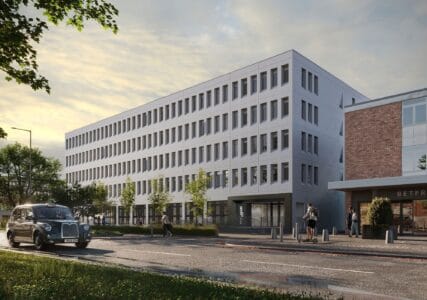
Off-Market
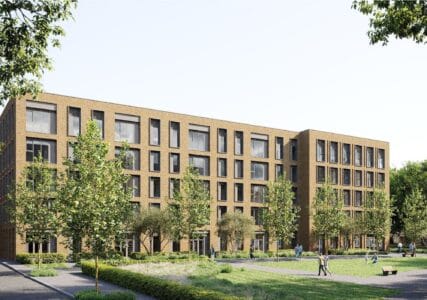

Scholars Quarter
Yields up to 6%
Completed
1- & 2-beds
Birmingham
Find Out More about Scholars Quarter

Smithfield Works
Yields up to 7.95%
Completion Q4 2026
1- & 2-beds
Birmingham
Find Out More about Smithfield Works

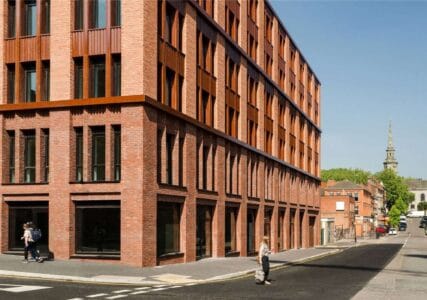
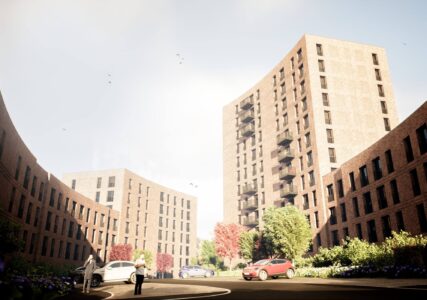
Belgrave Village
Yields up to 6.2%
Completed
1-, 2-,3- & 4-beds
Birmingham
Find Out More about Belgrave Village
Get In Touch
Speak to One of Our Experts Today
From acquisition to after-sales, our team covers every stage of your property journey. If you’re looking for tailored advice or have something specific in mind, we’re here to help you find the right solutions.
Why Choose Birmingham
Birmingham

 Market Summary
The Birmingham property market is strategically positioned for growth. Forecasts suggest the West Midlands region will see property price growth of 27.6% over five years, outpacing the UK average of 24.5%. This resilience is built on strong demand, fuelled by a forecasted 15% population growth by 2031. As a result, rental prices are also predicted to soar, with a +22.2% rental increase by 2028 (compared to the UK average of 17% by 2029), making it a high-confidence market for capital appreciation.
 Yields
Birmingham's rental yields are strong, averaging 6% for traditional buy-to-let (BTL) and reaching 9% for short-term let (STL) strategies in central, high-demand areas. This is primarily due to a severe housing shortage: Birmingham's housing delivery is only meeting around 60% of its annual target, resulting in an estimated deficit of approximately 3,243 homes per year. Amid the city’s pressing need for 89,000 new homes by 2031, this undersupply creates fierce competition for rental properties, offering a lucrative opportunity for investors.
 Regeneration
- Smithfield: This £1.9 billion, 17-hectare regeneration site in the heart of Birmingham is one of the largest single city centre developments in the UK. With £172.8 million in grant funding allocated, Smithfield will deliver 3,000+ new homes and 10,000+ jobs.
- Big City Plan: This city framework outlines the expansion of Birmingham’s core by 25%, dividing it into distinct quarters such as Digbeth and the Jewellery Quarter. The regeneration aims to enhance connectivity, create up to 50,000 new jobs, and contribute around £2.1 billion to the local economy, strengthening tenant demand beyond the traditional city centre.
- UK Economic Engine: Birmingham's thriving finance and tech sectors, bolstered by major corporate relocations, position it as a key UK economic hub outside of London.
 Connectivity
- HS2 Transformation: The construction of the future HS2 Curzon Street Station is the key driver of future value, cutting the rail journey time to London to approximately 49 minutes. This proximity will push property values in the Eastside and Colmore districts.
- Midland Metro: The Metro is actively expanding, with the Eastside Extension reaching key investment areas such as Digbeth and the future HS2 station, significantly improving citywide access for residents.
- Air & Rail: Birmingham Airport (BHX) provides international connectivity, and Birmingham New Street remains the busiest rail hub outside London, ensuring high-speed access across the country.
 Areas Overview
- City Centre (B1/B3) - Capital Growth & Premium Rent: Attracts high-earning tenants due to corporate relocations (PwC, Goldman Sachs) to Paradise Circus.
- Digbeth (B5/B9) - Regeneration Hotspot: Central to the massive Smithfield project and served by the new Metro line. High capital growth forecast.
- Jewellery Quarter (B18) - Heritage & Stability: High demand for unique, character-filled conversion apartments. Strong community and lifestyle appeal.
- Colmore District (B3) - Professional Commuter: Premium location near the financial district and the future HS2 Curzon Street Station. Excellent for capital preservation.

An Introduction To
Birmingham Property Investments
Birmingham is the second-largest city in the United Kingdom, with a population of over 1.1 million, a figure exceeded only by London's. It is a multi-cultural city with people from all walks of life choosing to live, work and study here. Regarded as one of the most important regional hubs, it connects Northern and Southern cities, drives business growth and helps keep the country running smoothly. With many excellent reasons to call it home and a place that continues to grow, Birmingham is one of the best hotspots for property investment, offering high rental returns.
As the beating heart of the West Midlands, Birmingham has a rich history dating back to 1086, when records show the city began as a small market town. During the 18th century, it entered the Industrial Revolution and became a significant centre of manufacturing and engineering, earning it the title "Workshop of the World". Modern Birmingham is an evolving city recognised for its diverse cultural scene, world-class educational institutions and thriving business network. Despite already being one of the UK's most important places, Birmingham isn't ready to settle where it is. The city has undergone significant transformation in recent decades, with many successful regeneration projects, and several projects are underway to take it even further.
Growth & Forecast
Birmingham Property Prices
Birmingham has experienced a notable surge in property values over recent years, bolstered by its growing population and ambitious regeneration projects. Since 2010, the city’s house prices have risen significantly, reflecting its growing appeal to property investors. Data from Rightmove indicates that the average house price in Birmingham is approximately £254,067. The market shows particular strength in semi-detached houses, while flats and apartments offer attractive entry points for investors at an average price of around £151,942.
The positive trend in Birmingham’s property market is expected to continue, with experts forecasting further growth. One property specialist predicts that prices could rise by 19.2% from 2024 to 2028. Birmingham’s appeal as a prime location for property investment is driven by factors such as its diverse economy, ongoing urban regeneration, and a youthful demographic that drives housing demand.
Birmingham stands out as a prime destination for property investment in the UK. Whether you’re a seasoned investor or just starting, Birmingham offers a range of opportunities for capital growth and high yields. For advice and to explore investment opportunities in Birmingham, consider consulting with one of our specialists.

A City Reimagined
Birmingham's Regneration Highlights
Birmingham has undergone major regeneration in recent decades, transforming itself into a modern, ambitious and economically important UK city. Extensive redevelopment has helped reshape the city centre, improve connectivity and create new destinations for living, working, shopping and leisure. Landmark schemes such as the Big City Plan, Paradise Birmingham and Birmingham Smithfield reflect the city’s long-term commitment to growth and urban renewal.
For property investors, Birmingham’s regeneration activity is an important part of the city’s investment case. Large-scale development can strengthen local infrastructure, support employment, attract residents and influence rental demand across key districts.
This section explores some of Birmingham’s most significant regeneration highlights, from completed projects to plans that continue to drive the city’s property market forward.


Discover Our Currently Property Investments in Birmingham
View InvestmentsNeighbourhoods at a Glance
An Area Breakdown of Birmingham
Birmingham is a vibrant city with numerous attractive areas for residents to call home. From the bustling city centre to the quieter suburbs of South Birmingham and the innovative developments in the Eastside, residents enjoy luxurious living standards with convenient access to all the amenities they want. The city caters to a diverse population, including students drawn to its dynamic university life and young professionals seeking serene residential areas for downtime away from work. Whether you’re interested in investing in a central apartment or a suburban home, Birmingham offers many opportunities.
Before stepping into Birmingham’s property market, it’s wise to explore the city’s diverse neighbourhoods. Birmingham’s varied districts promise significant capital appreciation and a growing demand for rental properties.
We’ll guide you through Birmingham’s finest living areas, helping you find the ideal investment spot.

City Centre
Birmingham’s city centre is one of the best spots for residents who love urban living and want everything they need on their doorstep. As the heart of the city, it offers easy access to shopping centres such as the famous Bullring, as well as many dining options, cultural institutions, and entertainment venues. It is a well-connected location with train, tram and bus options serving the city and the wider country. The city centre is the perfect place to live for young professionals and anyone who enjoys the convenience and vibrancy of city life. Several of our available investment opportunities here, providing residents with homes in one of the best areas and tenants with unmissable yields.
Jewellery Quarter
Next door to the city centre is the thriving Jewellery Quarter, a popular rental hotspot that remains the focal point for significant regeneration. Known for its rich history and beautiful architecture, the Jewellery Quarter is a unique blend of residential, business, and leisure spaces. It’s popular among young professionals and creatives for its vibrant community, independent shops, and lively bars and restaurants. The Jewellery Quarter is an ideal place to live for people who value a creative lifestyle with convenient accessibility. The Jewellery Quarter is one of the city’s most sought-after areas, and, combined with ongoing development projects, it is a great place to invest in property and enjoy the potential for value appreciation.


Digbeth
On the outskirts of the city centre and minutes from the popular Bullring shopping centre, Digbeth is a popular choice for residential property. As Birmingham’s creative quarter, Digbeth is known for its street art, independent businesses, and vibrant nightlife. It’s an area in transition, with new developments and regeneration projects making it an increasingly popular choice for young professionals and emerging artists. In 2023, the Sunday Times named Digbeth one of the ‘Best Places to Live’. With an unrivalled creative scene, vibrant lifestyle opportunities and excellent connectivity, it’s no surprise that Digbeth is one of the best places for property investments in Birmingham.
Edgbaston
A bit further afield is Edgbaston, one of Birmingham’s most affluent areas, which is close to the University of Birmingham. The Edgbaston suburb is perhaps best known for its 25,000-seat cricket ground, home to Warwickshire County Cricket Club. Unlike other parts of Birmingham, Edgbaston feels more like a village than the second-largest city in the UK, making it an ideal choice for residents seeking a quieter, more upscale environment. Properties here are generally large, elegant homes, and the area is known for its green spaces, such as the Birmingham Botanical Gardens.
Stay Up To Date
Birmingham Property News
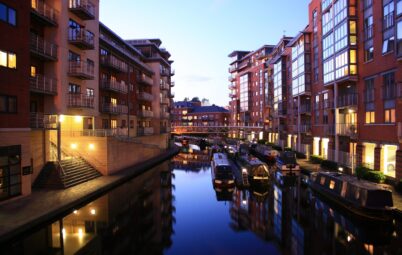

Diversity Unfolded
Birmingham Demographics: Who Lives Here and Why It’s Changing
Birmingham is one of the UK’s largest and most dynamic cities, and its demographics reflect that scale and momentum. The city’s population is shaped by a blend of long-established communities and newer arrivals, with growth influenced by education, employment, housing, and connectivity. Rather than being defined by a single trait, Birmingham is better understood through several demographic themes, including age mix, cultural diversity, household patterns, and migration.
Birmingham has a strong concentration of people in student and early-career age groups, largely because it is a major education hub. With multiple universities, the city attracts students from across the UK and internationally. Many stay after graduation, feeding into the young professional population, while family communities and older residents remain a vital part of the city’s neighbourhood fabric. Birmingham is a city where multiple cultures, languages, and traditions shape everyday life. This diversity is not just a cultural feature; it influences the city’s economy, housing demand, and neighbourhood identities.
Housing choices vary significantly across the city, with dense city-centre and inner-city areas that suit renters, students, and young professionals, alongside suburban neighbourhoods where family households are more common. Affordability relative to London and parts of the South East also plays a role, with Birmingham attracting people who want urban opportunities without the same cost pressures, something that affects who moves into the city and where they choose to live.
The city has a diverse economy, spanning manufacturing and engineering through to digital, professional services, health, education, and the creative industries. That variety supports a wide range of demographic groups, from graduates seeking entry-level roles to skilled workers and established professionals. Major regeneration projects also affect demographics over time, often increasing demand for centrally located housing and attracting people drawn to new jobs and improved amenities.
Get In Touch
Speak To Our Property Team Today
Call us, or use the contact form to talk to a member of the team.
Our team will answer any questions you may have and check availability for you quickly. We are a whole of market, turnkey property consultancy and partner with major developers across the UK.
Interested in buy-to-let investment in the UK? Talk to our team.