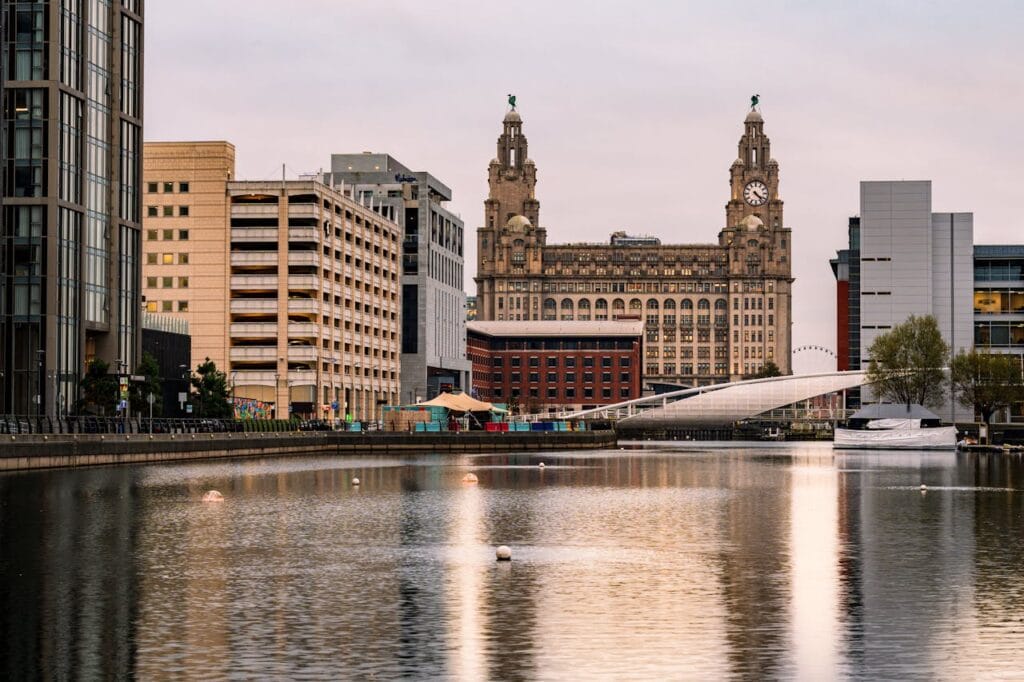

Fresh rental data is adding to the case for the North West as one of the UK’s most closely watched property regions in 2026. A recent RW Invest article, based on Office for National Statistics figures, said the North West recorded the second-highest annual rental growth of any UK region, with rents up 6.0% in the year to January 2026. That placed it behind only the North East and well above the UK average.
That matters because rental growth is one of the clearest indicators of underlying demand. When rents are still rising at a strong pace, it usually points to a market where tenant demand remains healthy, supply is under pressure, and regional cities continue to attract attention from renters as well as investors. For Liverpool, that wider North West trend is especially relevant, because the city continues to combine relative affordability with a rental market that is still moving upwards.
The North West remains one of the UK’s strongest rental regions
The latest official data shows that rental growth in the North West is outperforming much of the country.
Key regional figures include:
- North West annual rent growth of 6.0% in the year to January 2026
- UK annual private rent growth of 3.5% over the same period
- UK annual private rent growth still at 3.5% in the year to February 2026, showing the national market has cooled compared with previous peaks
That gap is significant. It suggests the North West is not simply following the national trend, but outperforming it. In property terms, that usually strengthens the region’s appeal because it points to a market where income growth remains more robust than in many other parts of the UK.
Liverpool is outperforming even the regional picture
Liverpool looks especially interesting when local data is set against the wider North West trend. The ONS local housing data tool says average private rents in Liverpool rose to £888 in February 2026, up 6.6% from £833 a year earlier. It also notes that this was higher than the North West regional rise over the same period.
That means Liverpool is not just benefiting from a strong regional backdrop. It is performing even more strongly than that backdrop in rent-growth terms.
For buyers and investors, that helps reinforce several points:
- tenant demand in Liverpool remains active
- rents are still rising faster than the UK average
- the city continues to look competitive within its own region
According to TK Property Group, this is one of the reasons Liverpool continues to stand out in 2026: it is not only part of a high-performing region, but also one of the cities helping to drive that performance.
Rental growth matters because it changes the investment picture
Rental growth is important because it affects more than just monthly income. It also shapes how investors judge the strength and direction of a market. A city with rising rents can become more attractive because it suggests demand is still keeping pace, even if wider economic conditions remain mixed.
In practical terms, stronger rental growth can support:
- better income potential over time
- stronger demand from landlords looking for yield]
- greater resilience in regional city markets
- more confidence in the long-term appeal of an area
It does not mean every property will perform equally well, and it does not remove the need to buy in the right location. But it does provide a stronger backdrop for a city such as Liverpool, where affordability and rental demand already form a major part of the investment case.
Liverpool still offers a value angle
One reason Liverpool continues to attract attention is that it combines rental momentum with more accessible pricing than many other UK cities. The ONS local tool says the average house price in Liverpool was £182,000 in January 2026, up 6.5% year on year. That makes the city look attractive not just because rents are growing, but because the entry point remains relatively reachable compared with more expensive markets.
That balance can be important for investors weighing up where rental growth looks most meaningful. Strong rent rises in a very expensive market do not always translate into the same appeal as strong rent rises in a city where purchase prices still look more manageable.
Liverpool’s current position points to a market with:
- rising local rents
- house prices still below many southern cities
- continued appeal as part of a strong North West region
- A regional story with city-level relevance
The broader North West figures are useful because they show the region is continuing to outperform nationally. But the Liverpool data makes that story more specific. Rather than simply saying the North West is doing well, it shows that one of the region’s major cities is posting rental growth above even the regional average.
That gives the article a stronger angle. The real takeaway is not just that the region is performing well, but that Liverpool is part of a wider pattern of Northern market strength while also maintaining its own local momentum.
Final thoughts
The latest rent data adds to the sense that the North West remains one of the UK’s strongest-performing regions for landlords and investors. With annual rental growth of 6.0% to January 2026, the region is clearly outperforming the national average. Liverpool looks even stronger within that picture, with local rents rising by 6.6% year on year to February 2026.
For anyone looking at regional property opportunities in 2026, that combination is hard to ignore. Liverpool is not only benefiting from wider North West momentum. It is also showing the kind of local rental performance that helps turn a strong regional trend into a more compelling city-level investment case.