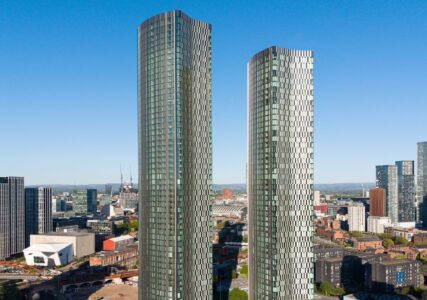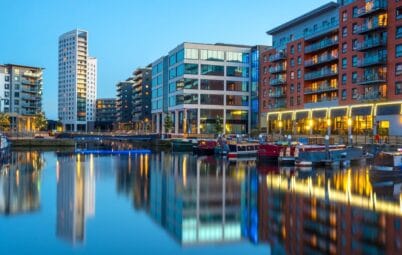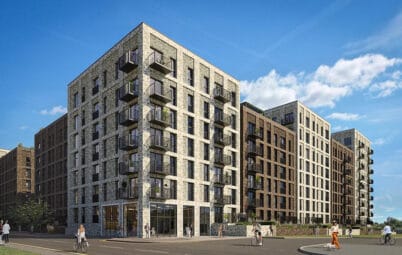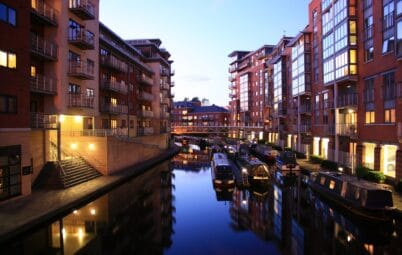

Manchester enters the 2026 to 2030 property cycle with a different profile from many UK cities.
The national market is being pulled back by higher mortgage costs, softer confidence and stretched affordability, but Manchester’s long-term story remains tied to jobs, regeneration, graduate retention and the wider strength of the North West.
This does not mean the city is protected from short-term pressure. Buyers are more cautious, finance is more expensive and investors are looking harder at value. However, Manchester’s next phase may be less about whether demand exists and more about where that demand concentrates. Over the next five years, the strongest parts of the market are likely to be those connected to employment, transport, public realm and visible regeneration.
A cooler market, not a weaker city
The UK housing market is expected to begin the forecast period cautiously. A recent Reuters report on UK house prices highlighted a monthly fall in May, with weaker buyer confidence and higher mortgage rates weighing on activity.
The latest five-year forecast suggests UK house prices could fall by 2.0% in 2026 before returning to growth from 2027 onwards. Across the full period to 2030, UK prices are forecast to rise by 18.5%.
Manchester’s market should be viewed through a regional lens rather than a purely national one. The North West is forecast to avoid a nominal fall in 2026 and then deliver growth of 3.5% in 2027, followed by 6.5% in each of 2028, 2029 and 2030. Over the full five-year period, the region is forecast to see house price growth of 25.0%.
That stronger regional outlook gives Manchester a more favourable backdrop, even if the early part of the cycle remains subdued. The city’s challenge will be translating regional resilience into sustainable growth across specific neighbourhoods and property types.
The North West gives Manchester a stronger runway
Manchester is often discussed as a high-growth city, but the next five years may reward discipline rather than hype. Growth is still possible, but it is likely to be more selective than in previous cycles. The most resilient areas will be those with a clear link to employment, transport, education and regeneration.
According to TK Property Group, Manchester’s five-year outlook is supported by the depth of its demand base. The city benefits from a large graduate population, strong professional employment, major regeneration zones and a regional forecast that points to stronger medium-term growth than the UK average.
The important point is that Manchester does not rely on one single source of demand. Its property market is supported by renters, first-time buyers, relocating professionals, students, families and investors. That diversity could help the city withstand a slower 2026 before stronger momentum returns later in the forecast period.
Manchester’s price point is different from its reputation
Manchester is no longer an undiscovered market, and values have risen significantly over the long term. Even so, the city remains cheaper than many southern urban markets while offering the scale and economy of a major UK city.
According to ONS housing data for Manchester, the average house price in the city was £248,000 in March 2026, up 1.4% from March 2025. The average first-time buyer price was £233,000, while the average price for homes bought with a mortgage was £254,000.
This positions Manchester differently from both lower-cost and higher-cost markets. It is not as affordable as some northern cities, but it still sits below the UK average while offering a larger employment base, stronger rental depth and a more mature city centre apartment market.
That balance is important. In a higher-rate environment, buyers and investors are less likely to chase growth at any price. Markets that combine realistic entry values with strong demand drivers may be better placed than locations where affordability has already been pushed too far.
Rents reveal a city still carrying demand
Manchester’s rental market remains one of the clearest signs of underlying demand. ONS data shows that the average monthly private rent in Manchester reached £1,349 in April 2026, up 3.0% from £1,309 in April 2025. One-bedroom rents averaged £987, while two-bedroom rents averaged £1,213.
The pace of rental growth is more moderate than during the peak of the recent rental boom, but the level of rents still reflects sustained pressure from tenant demand. Manchester continues to attract students, graduates, young professionals and workers linked to the city’s digital, finance, legal, media, healthcare and education sectors.
This rental base will matter throughout the 2026 to 2030 cycle. If capital growth is slower in the early years, income resilience becomes more important. Strong rental demand can support investor confidence, but it also raises the bar for property selection. Location, specification, service charges and management quality will carry more weight than broad assumptions about city-wide growth.