
That’s the million-pound question. With that information in hand, investors can make a better-informed decision about where to look for their next purchase and whether to buy now or wait.
If several schemes are planned for the same neighbourhood, buyers might have more choice when those homes come to market. On the other hand, a wave of similar flats completing around the same time could mean more competition for tenants. That makes knowing the timing of new developments almost as useful as knowing their locations.
This article gives readers a practical way to assess that pipeline. Which areas are likely to offer new homes soon? Where are plans still at an early stage? And where could the scale of development change the balance between rental supply and demand?
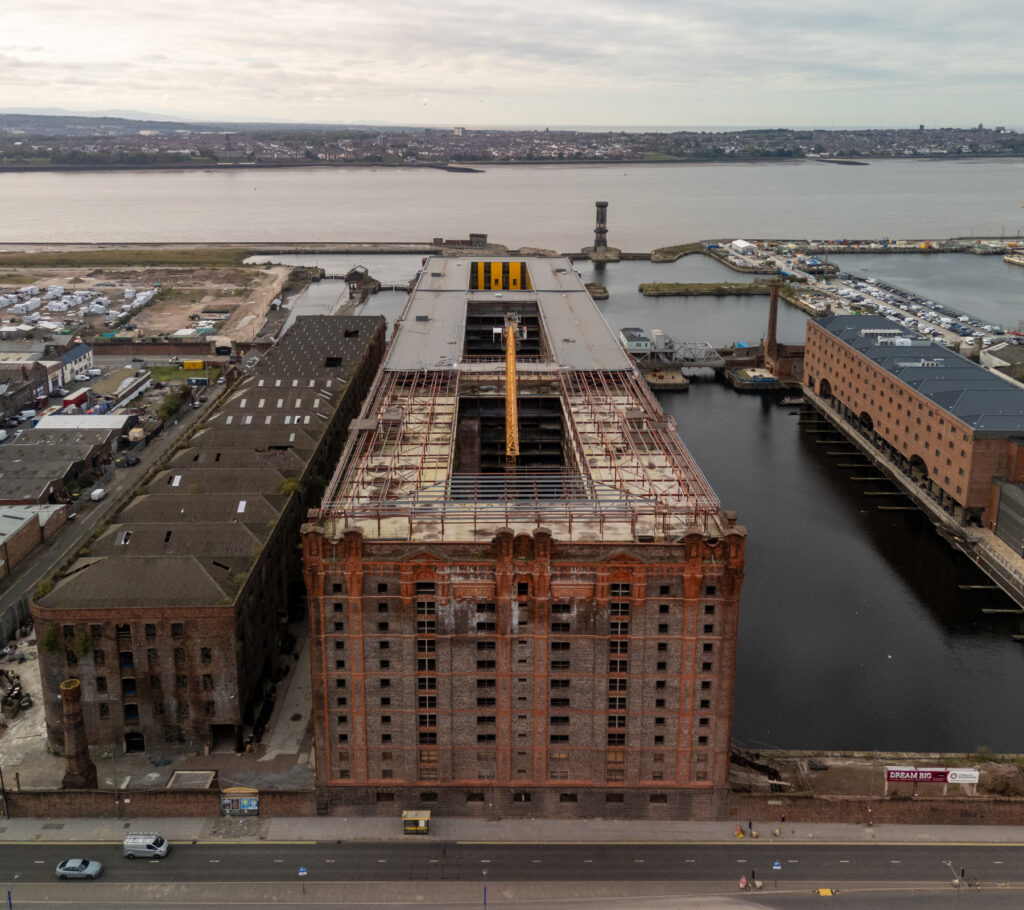
Vauxhall, Pumpfields, and the North Docks are attracting attention through a combination of residential proposals, infrastructure investment, and wider regeneration plans. Further north, Kirkdale is also part of discussions about how new housing could improve existing neighbourhoods.
These neighbourhoods are at different stages. Some have developments being marketed and infrastructure works underway. Others offer longer-term potential that still depends on planning, funding, and improvements to the surrounding area.
A neighbourhood taking shape
Vauxhall and the Pumpfields district offer one of the clearest examples of how Liverpool’s residential development could extend beyond its established city centre neighbourhoods.
The area already has a formal framework to guide that change. Liverpool City Council adopted its Pumpfields and Limekilns Supplementary Planning Document in June 2026, setting out planning and design guidance for regeneration. This gives developers a clearer basis for bringing proposals forward, although individual schemes still need the necessary approvals.
The Forge, on Gladstone Street, is one example of the residential development being marketed in the area. The scheme is a mix of apartments and townhouses, positioned between Liverpool’s commercial core and the Liverpool Waters regeneration zone.
What remains unclear is how quickly that wider neighbourhood develops. A completed apartment can offer a comfortable home, but the surrounding streets, local services, and walking routes also affect whether tenants want to live there.
Vauxhall and Pumpfields therefore deserve attention both for individual developments and for the changes taking place around them.
Infrastructure opening the way for new homes
What does it take to create a neighbourhood that appeals to new residents? The answer, of course, is infrastructure. In that respect, Central Docks stands out.
There, an £81.1 million infrastructure programme is preparing land for around 2,350 homes. The works include utilities and drainage, as well as new roads and public spaces. Plans for the area also include a five-acre Central Park. The infrastructure works are expected to finish in 2028, paving the way for future housing development.
The new streets will connect the homes to the surrounding area, while the park will give residents a place to spend time outdoors.
Central Docks is also part of a much larger regeneration programme. The government’s October 2026 Place Delivery Agreement identifies the wider North Docks area as having potential for around 17,000 homes. The next question is how that investment translates into individual housing schemes and completed properties.
A long-term area to watch
Kirkdale also belongs in the discussion, although the evidence supports a more cautious view of its immediate residential prospects.
Liverpool City Council and housing association Torus have announced a partnership to identify opportunities in Kirkdale, Vauxhall, and Everton. Their work includes assessing market demand and the types of homes needed to bring sites forward. It does not mean that every potential site has a developer, planning permission, or a construction timetable.
Elsewhere in the wider north Liverpool programme, the proposed Vescock Street/Limekiln Lane scheme shows how new housing could be delivered through partnerships. Place Capital Group describes proposals for around 135 homes, including approximately 110 Build to Rent properties and 25 Rent to Buy properties.
For Kirkdale, the opportunity is therefore partly about what could follow as sites are assessed and partnerships develop. Investors should look for specific evidence of progress: identified sites, planning applications, committed funding, and improvements that make the location more attractive to residents.
Its inclusion in regeneration plans makes it an area to monitor. The case for any particular property still needs to be established locally.
Where should investors focus their attention?
Vauxhall and Pumpfields offer a clear starting point for investors looking at residential schemes within an area undergoing change. Central Docks stands out for the infrastructure investment preparing the ground for future development. Kirkdale presents a longer-term opportunity as housing sites are identified and proposals take shape.
The strongest opportunities will depend on how these plans translate into places people want to live.
New homes, better streets, useful local services, and rents tenants can sustain all contribute to that outcome. Investors’ homework now is to identify where those elements are coming together and how much work remains before they do.




 New development launches