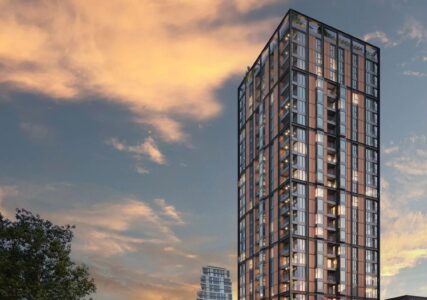

Liverpool has seen no shortage of ambitious waterfront visions, but some proposals feel bigger than a normal development story. The newly unveiled plans for a 70-storey skyscraper close to the waterfront sit firmly in that category.
According to Liverpool Business News, the tower would form the centrepiece of the wider £1bn Kings scheme on the King Edward industrial estate, a cluster of 10 residential towers backed by Home Bargains billionaire Tom Morris. If delivered, it would not only become the tallest building ever built in Liverpool, but also one of the most visible symbols of the city’s next phase of waterfront regeneration.
This is about more than height
The obvious headline is the scale. Liverpool Business News reports that the proposed tower would rise to 70 storeys, surpassing previous expectations of around 60 storeys and setting a new benchmark for the city skyline. But the more important point is what that level of ambition says about confidence in Liverpool. Waterfront towers are never just about architecture. They are statements about demand, direction and belief in a city’s long-term appeal. In that sense, the Kings proposal is as much about market confidence as it is about design.
According to the report, the 70-storey building would include:
- a five-star hotel
- 212 hotel rooms across the first 23 floors
- 563 luxury residences
- bars and restaurants
- banqueting and meeting facilities
- a gym and rooftop terrace
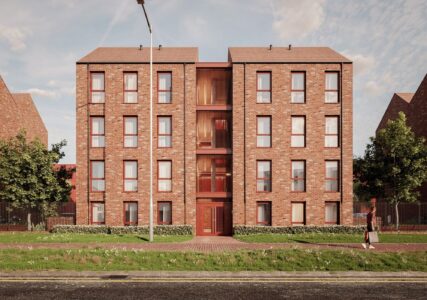
That mix matters because it points to a scheme designed around lifestyle, tourism and high-end residential appeal rather than simple unit delivery alone. Liverpool Business News also says the wider Kings masterplan would include 2,750 apartments, 200,000 sq ft of office space, a 25,000 sq ft events arena and 250,000 sq ft of commercial leisure, retail, food and beverage space. This is not being positioned as a single tower. It is being positioned as a new waterfront neighbourhood.
Why the waterfront still matters so much to Liverpool
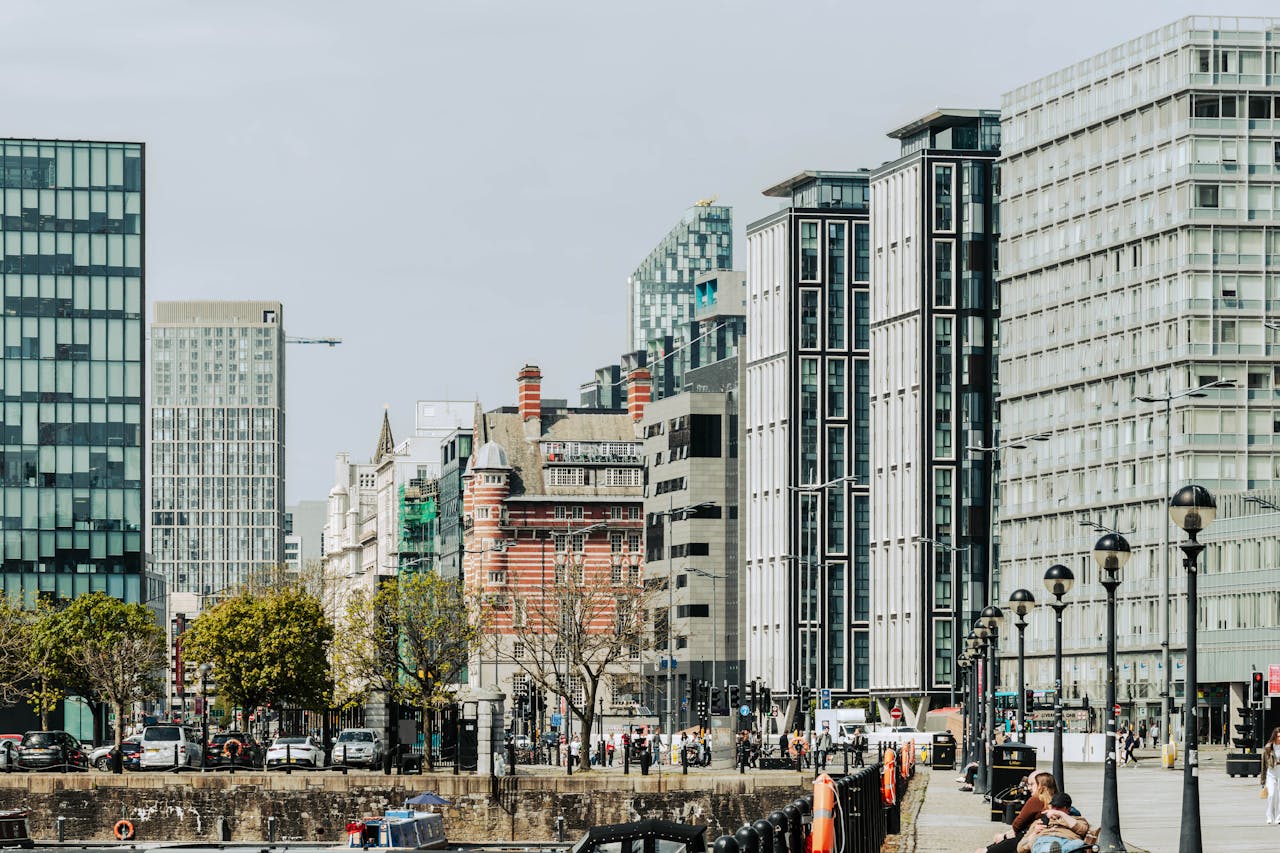
Liverpool’s waterfront has always carried more than visual importance. It is one of the city’s strongest commercial and emotional assets, tying together heritage, identity and investment potential. That is why schemes around Princes Dock, the Pier Head and the northern waterfront tend to attract outsized attention. They do not just add buildings. They shape how Liverpool is seen by residents, visitors, buyers and investors.
The Kings site sits next to Princes Dock Liverpool Waters, an area already associated with large-scale residential development. That gives the proposal extra significance because it builds on an existing regeneration direction rather than trying to create one from nowhere. When schemes cluster and connect, they can start to change not just one site but the wider perception of a city corridor. That is where the Liverpool waterfront story becomes especially powerful. It is not only about isolated towers. It is about cumulative confidence.
Liverpool’s market already has momentum
This proposal arrives at a time when Liverpool’s broader property market is already showing encouraging signs. The latest Office for National Statistics data shows the average house price in Liverpool was £182,000 in January 2026, up 6.5% year on year, while average private rents reached £888 in February 2026, up 6.6% from a year earlier. Those numbers matter because they show Liverpool is not relying on vision alone. The city is already seeing measurable growth in both values and rents. The current ONS Liverpol housing data reinforces that wider market momentum.
That creates a useful backdrop for a scheme of this scale. Large headline developments tend to resonate most strongly in cities where the fundamentals are already moving in the right direction. Liverpool still stands out for:
- relatively accessible entry prices
- rising rents
- strong regional visibility
- a waterfront-led regeneration story
- a growing sense of confidence in long-term urban change
This is why the Kings proposal matters. It does not land in a flat or directionless market. It lands in a city where the wider property story already has traction.
What a tower like this can do for perception
In property markets, perception matters almost as much as physical delivery. A project like this can influence how the city is talked about long before construction begins. That does not mean every proposal automatically becomes reality, or that values rise overnight because of one announcement. But landmark schemes can change the tone of the conversation.
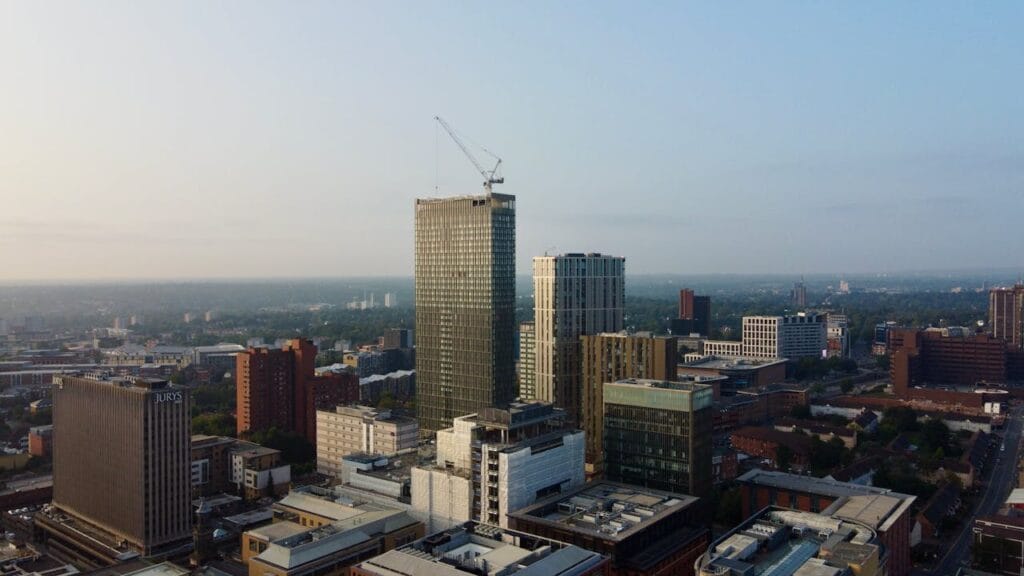
A 70-storey waterfront tower suggests a city willing to think at a different level of scale. It suggests confidence in visitor demand, confidence in city living, and confidence that Liverpool can support development with a much bigger visual and commercial presence. Those things can have a knock-on effect on sentiment, especially among outside investors and buyers who may already view Liverpool as one of the most interesting regional cities for value and regeneration potential.
This kind of proposal can help strengthen perceptions around:
- Liverpool’s skyline ambition
- the maturity of the waterfront market
- the appeal of premium residential stock
- the city’s positioning as a destination as well as a place to live
- long-term investor confidence