Birmingham remains one of the most closely watched regional property markets in the UK, but the case for the city is no longer built on simple optimism alone. Investors, landlords and developers are looking at Birmingham through a more balanced lens, weighing clear demand drivers against a growing list of operational and regulatory risks.
That is what makes the city so interesting in 2026. It still has the scale, momentum and affordability that continue to attract attention, yet success increasingly depends on understanding where the real pressure points now sit. Population growth, regeneration and rental demand are keeping Birmingham firmly in the conversation, but tighter landlord rules, changing tax obligations and a more selective market are forcing a more disciplined approach.
Why Birmingham still has strong demand fundamentals
The first reason Birmingham continues to resonate is simple: it is a very large city with a growing population. According to the Office for National Statistics, Birmingham’s population increased by 6.7% between 2011 and 2021, rising to around 1,144,900 people. That scale matters because it creates a broad and durable base of underlying housing demand across multiple tenures, from owner-occupiers to long-term renters. In a market where long-term resilience matters just as much as short-term sentiment, population growth remains one of Birmingham’s strongest structural advantages. Anyone assessing the city’s property outlook has to start there, because demand is easier to sustain when it is anchored by the sheer size of the local population. For reference, the latest ONS Birmingham population data sets out that growth clearly.
Affordability is another key demand driver. Birmingham’s average house price was £231,000 in January 2026, while average private rent reached £1,087 in February 2026. That combination keeps the city in a compelling middle ground. It is not a bargain-basement market, but it still offers a lower entry point than many southern cities while maintaining meaningful rental income levels. For investors, that balance continues to matter. Where prices are too high, entry becomes harder and yields can feel compressed. Where rents are too soft, the case weakens from an income perspective. Birmingham still offers a mix that helps explain why it remains attractive to buyers looking beyond the capital. The latest ONS Birmingham house price and rental figures how that this balance is still in place.
The city’s rental market is another major support. Birmingham rents were up 3.7% year on year in February 2026. That is no longer the kind of exceptional growth seen during the sharp rental inflation of recent years, but it still points to steady tenant demand in a market that remains active. For landlords, that matters because sustainable rental growth is often more useful than overheated spikes. It suggests the market is still moving in the right direction, even if it is becoming more measured. Compared with the wider UK picture, Birmingham continues to offer a strong case as a city where demand for rental housing is still very real, especially when paired with its population size and broad economic role.
Regeneration remains one of Birmingham’s biggest strengths
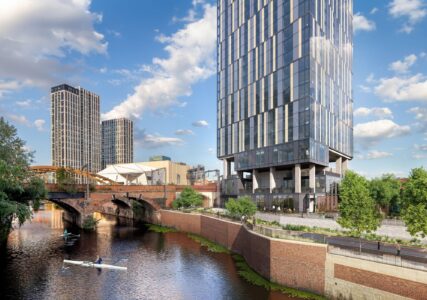
Birmingham’s regeneration story is still one of its most persuasive demand drivers. The city continues to push large-scale transformation projects that help reinforce confidence in its long-term direction. One of the clearest recent examples is the new Birmingham Central Heart Prospectus, which sets out a vision for a vibrant new neighbourhood in the city centre. This kind of regeneration matters because it is not only about new buildings. It is about strengthening confidence, improving placemaking and creating the sort of urban environment that supports future demand across both the sales and lettings markets.
Regeneration works best when it gives people a reason to believe the city is moving forward with consistency. Birmingham has been building that story for years, and that ongoing pipeline remains central to its investment appeal. Well-connected new neighbourhoods, refreshed mixed-use areas and city-centre renewal all help shape perception, and perception is a powerful force in regional markets. Investors rarely buy into bricks alone. They buy into momentum, confidence and direction of travel. Birmingham still offers those things.
The student market also deserves serious attention. The University of Birmingham says it has nearly 40,000 students, while Birmingham City University says it has over 31,000 students from more than 100 countries. That matters because students do more than fill purpose-built accommodation. They feed demand for shared housing, graduate rentals and the broader private rented sector, especially in areas with strong transport links and established rental stock. In Birmingham, the student population is not a niche demand source. It is one of the city’s core engines of housing need. The official University of Birmingham student profile and Birmingham City University overview
underline that scale.
What this means for investors and landlords
The clearest conclusion is that Birmingham still offers a convincing property story, but it is becoming more selective. The strongest demand drivers remain highly credible:
- a growing population
- a relatively accessible entry point
- solid rental demand
- a major regeneration pipeline
- a substantial student population
At the same time, the key risks are now much more visible:
- tighter landlord regulation
- more demanding tax administration
- continued affordability pressure in parts of the city
That is why the city still appeals, but in a more disciplined way than before. As TK Property Group would note, Birmingham’s strength lies in the fact that it still combines scale, regeneration and rental depth, but the investors most likely to benefit are those who understand that performance now depends as much on structure and compliance as it does on location alone.