
Liverpool’s property market is shaped by more than house prices and headline regeneration budgets. In practice, it’s the everyday infrastructure of living—transport links, employment nodes, retail, and leisure—that determines which neighbourhoods attract sustained demand and which areas accelerate fastest.
That’s why the planned David Lloyd Leisure health, fitness and wellness club at Wirral Waters (Bidston Dock) matters for the Liverpool market. While the site itself sits on the Wirral, it’s positioned directly within the Liverpool City Region ecosystem and is being delivered as part of a much larger waterfront regeneration programme. The project is also notable because it represents a premium, leisure-led “anchor”—the kind of amenity that tends to change how a place is perceived long before the last phase of housing completes.
What’s happening at Wirral Waters (and why it’s significant)
The Wirral Waters project page states that a planning application was submitted in April 2025 for a new David Lloyd club at the former Bidston Dock, off Wallasey Bridge Road, described as being “at the heart” of the Wirral Waters regeneration area.
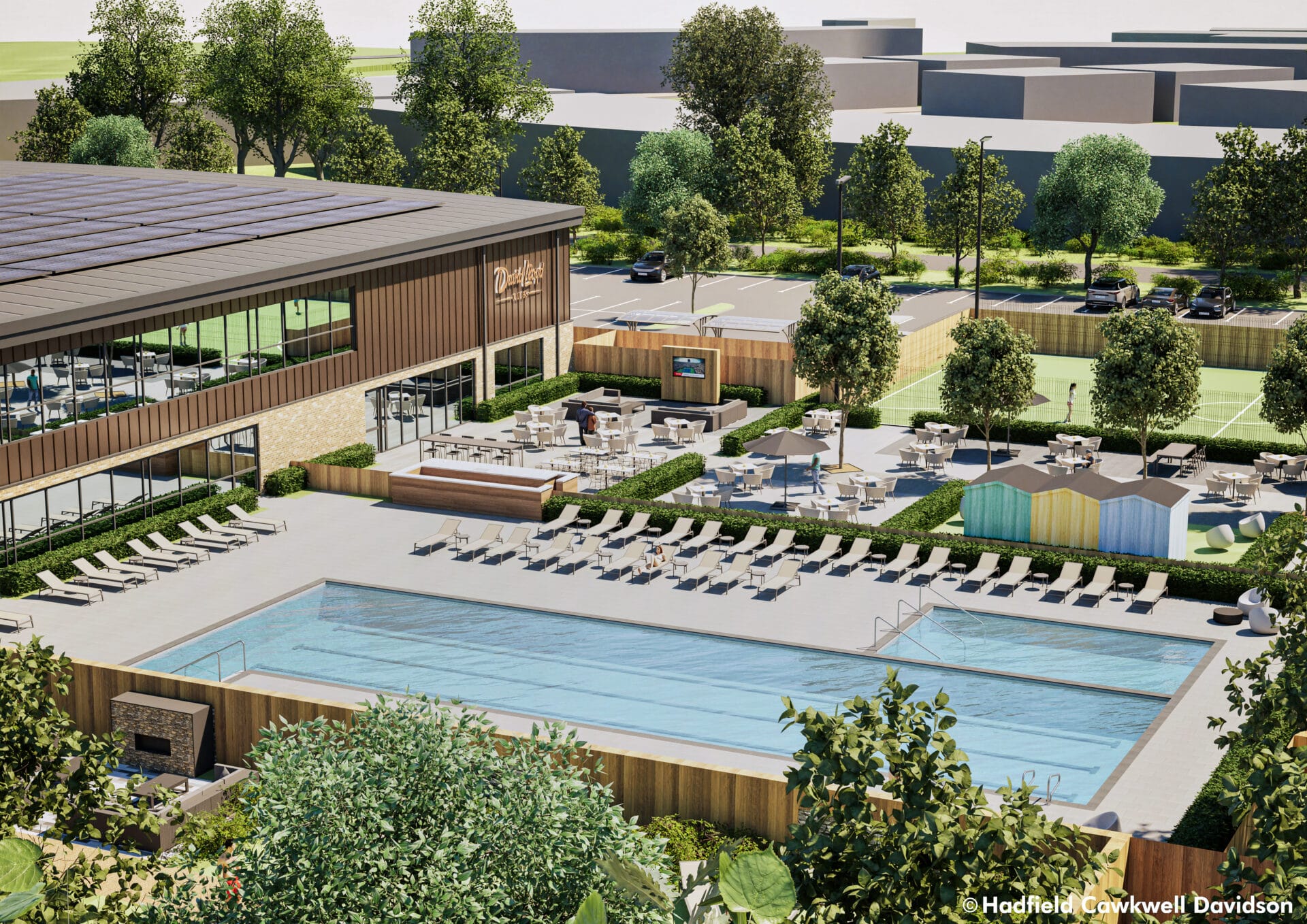
The scheme is substantial: it spans a six-acre site and is designed as a full-service wellness destination rather than a simple gym. The published scope includes:
tennis courts (including weather-protected courts)
a large padel offering (described as potentially the largest on the Wirral)
a sports hall, full-size gym and studio spaces
indoor and outdoor heated pools, plus a spa and spa garden
family facilities and a café-lounge / work-and-social space
For Liverpool’s market, this is less about “one club” and more about what the club represents: confidence in long-term demand and a commitment to building a place that functions as a genuine community destination.
Planning approval adds momentum
In late January 2026, Wirral Waters announced that the planning application for the new club had been approved by Wirral Council.
Separately, trade coverage has described the proposal as a 56,000 sq ft complex on six acres at Bidston Dock.
Planning approval matters because it moves the story from “concept” to “delivery,” and delivery is what drives sentiment in city-region markets. When visible projects start to land, it tends to lift confidence across nearby catchments—particularly waterfront districts connected to Liverpool via tunnel, rail, and road.
Why Liverpool should pay attention to a Wirral leisure anchor
Liverpool’s housing and rental demand is increasingly influenced by city-region living patterns, not just city-centre postcodes. A premium leisure destination at a major regeneration site can create spillover effects that touch Liverpool in three main ways:
1) Strengthening the Liverpool City Region “liveability” proposition
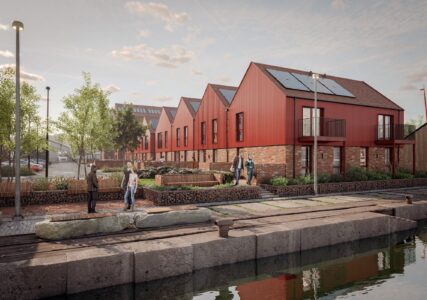
Liverpool competes for residents, graduates, and relocators with other UK cities. Large-scale regeneration feels more credible when it includes amenities that improve day-to-day living. This club is explicitly framed as part of a wider “mixed-use, high-quality waterfront destination” strategy, combining residential, commercial, leisure and community assets.
That helps reinforce the broader Liverpool City Region narrative: not just jobs and buildings, but lifestyle infrastructure that supports long-term retention.
2) Better connectivity supports cross-river demand patterns
The scheme highlights connectivity: it’s located near the M53, Mersey Tunnel, and Birkenhead North train station, positioning it as accessible across the Wirral “and beyond.”
For Liverpool, that matters because cross-river movement is a real part of how people choose where to live—particularly in waterfront-adjacent markets where lifestyle, commuting routes, and weekend access to amenities shape decisions.
3) A premium “anchor” can help accelerate surrounding residential value perception
In regeneration, certain amenities act as credibility markers. A recognised premium brand arriving early in the timeline can signal:
confidence in the area’s future resident base
a target market that includes higher-spending households
a shift in perception from “development site” to “emerging neighbourhood”
The project page also states the facility is expected to deliver around 100 permanent jobs, plus ~60 construction jobs, reinforcing that it is both an amenity and an employment contributor.
The Liverpool property-market angle: what tends to benefit most
When regeneration-led amenities land across the city region, Liverpool tends to see the strongest “knock-on relevance” in:
waterfront and dockside residential markets (where placemaking and amenities are a key part of demand)
commuter-friendly districts with strong rail/road access and a clear lifestyle proposition
rental-heavy submarkets where tenant choice is influenced by convenience, brand-led amenities, and neighbourhood momentum
This doesn’t mean a single leisure development “moves prices” by itself. It’s that, as part of a wider regeneration ecosystem, it can support the demand conditions that make growth and stability more likely over time.
A practical takeaway for Liverpool-focused buyers and investors
For anyone tracking Liverpool’s market, the key point is that the city’s performance is tied to a broader city-region engine. High-quality, leisure-led placemaking at major regeneration sites helps strengthen that engine—by improving liveability, reinforcing confidence, and supporting cross-river movement patterns.
The David Lloyd club at Wirral Waters is a clear example of that dynamic: a substantial, premium amenity embedded in a long-term waterfront regeneration plan, with confirmed planning approval and a defined scope aimed at creating a destination rather than a standalone facility.