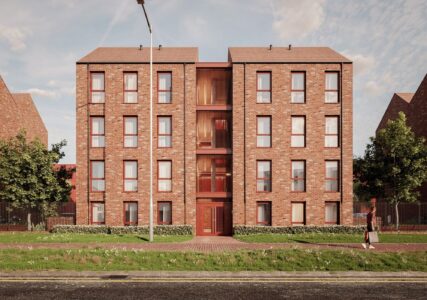
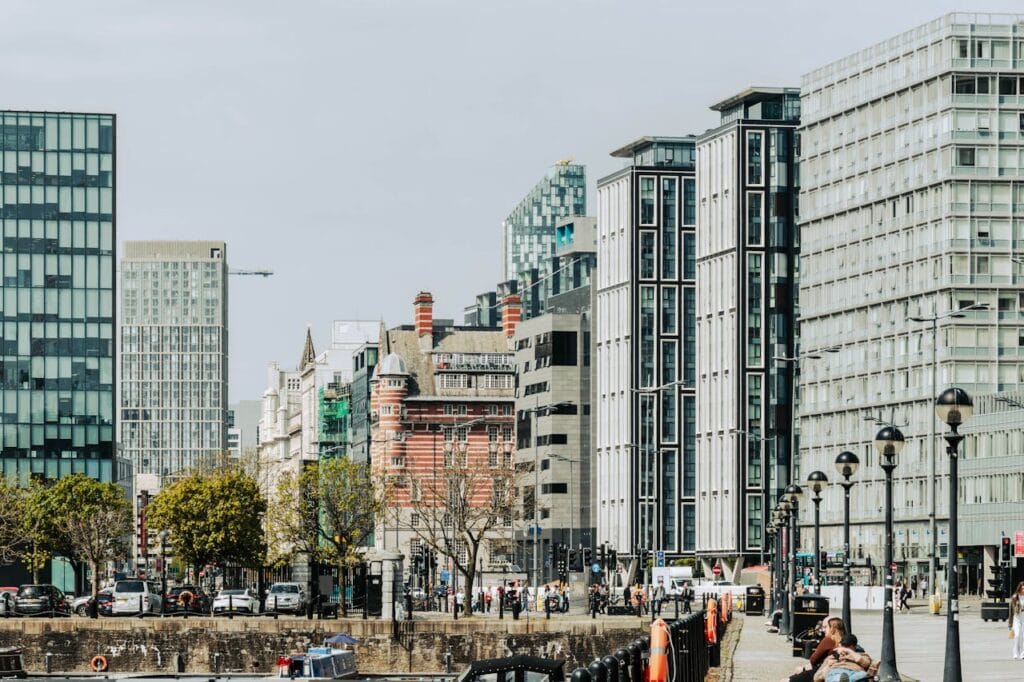
Recently, housebuilding slows down across the UK, raising questions about its impact on the property market.
Falling construction activity and Purchasing Managers’ Index (PMI) data signal weaker sentiment among builders, with fewer new projects and slower development starts. Understanding this trend is essential for investors, first-time buyers, and property professionals.
What’s Happening in Housebuilding
Construction activity has dropped sharply, with housebuilding contracting significantly. PMI figures show the largest decline since the pandemic, indicating reduced output and weaker demand. Builders face higher labour costs, planning delays, and regulatory uncertainty.
Industry sources, such as Property Industry Eye and the BBC, highlight how these conditions are affecting overall market activity.
Why Housebuilding Is Slowing
Several factors explain why housebuilding slows down:
Higher borrowing costs and weaker buyer demand – Rising mortgage rates reduce demand for new homes, discouraging developers from starting new projects.
Planning and regulatory complexity – Slower approvals and increased requirements delay construction, making it harder to meet government housing targets.
Policy and economic uncertainty – Fluctuating policy and market conditions further suppress developer confidence.
Government reports outline the challenges in meeting targets for 1.5 million new homes.
What It Means for the Property Market
Supply Pressure
Fewer new homes intensify the existing housing shortage. Limited stock is especially impactful in high-demand urban areas and commuter regions.
Price and Rental Impact
Restricted supply can help maintain property prices and support rents, benefiting investors. Areas such as Manchester, Liverpool, and Birmingham continue to show strong demand despite slower construction.
Investor Perspective
For investors, a slowdown can maintain upward pressure on values. TK Property partners with reliable developers to ensure that listed properties are delivered efficiently, helping investors secure their capital.
First-Time Buyers
Reduced new supply worsens affordability challenges. Buyers need to plan strategically, considering timing, financing, and location.
Short-Term vs Long-Term Outlook
Short-Term
Construction sentiment is weak, and recovery is expected to be gradual. Buyers and investors should monitor PMI and market signals carefully.
Long-Term
If supply remains constrained while demand persists, this could support pricing and rental levels over time. Strategic investors may benefit from the structural shortage, particularly in key growth regions.
Conclusion
When housebuilding slows down, supply, pricing, and investment dynamics are all affected. While short-term challenges exist, long-term opportunities remain for informed investors.
TK Property helps investors navigate these conditions by working with top developers and providing free consultations. Staying aware of planning policy and market trends is essential for making smart investment decisions.
For expert guidance:
Contact us for a consultation.
Explore our free consultation service.
Learn about investment guides and trusted developer partnerships.