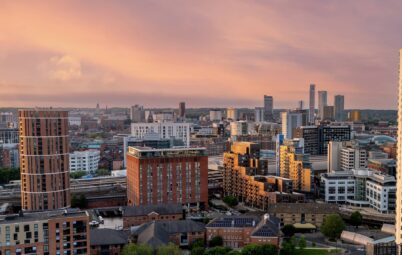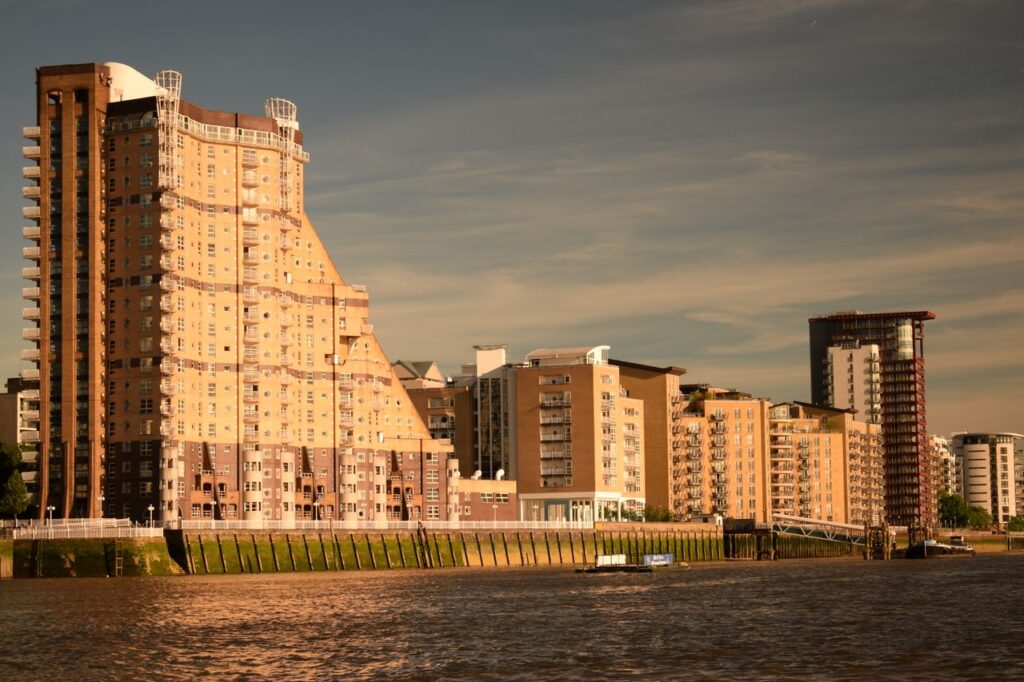

Manchester’s rise within the UK property market is no longer explained simply by cheaper prices than London.
The city has developed its own combination of employment growth, graduate retention, population expansion and large-scale regeneration, creating housing demand that is increasingly generated within the region.
Recent analysis of the changing UK house price gap found that the difference between London and other major cities had narrowed to its lowest level since 2009. While affordability pressures have restricted growth in the capital, Manchester and other regional centres have benefited from expanding populations and stronger local demand.
Manchester is now entering a more demanding phase of that story. Its property values remain far below London’s, but the city is no longer inexpensive by every northern comparison. Future performance will depend on whether employment, infrastructure and housing delivery can continue to grow together.
The old London-led hierarchy is being rewritten
London has dominated UK residential property for decades, but the capital’s high prices have become a constraint. Larger deposits, expensive mortgages and high transaction costs have reduced the pool of households able to buy, particularly when interest rates remain elevated.
The average London home was valued at approximately £542,000 in March 2026, following another annual decline. The same analysis found that a London property now costs around 2.38 times as much as one in Greater Manchester, down from a peak of 3.6 times in 2016.
This narrowing gap reflects two movements. London has experienced a prolonged period of weak price performance, while Greater Manchester values have increased significantly over the past decade. The city region recorded house price growth of approximately 71% over ten years, compared with only 9% in the capital.
Manchester is therefore not merely catching up because London has slowed. Its housing market is being supported by economic and demographic changes that have expanded the number of people seeking homes across the city region.
Manchester has moved beyond its bargain-city phase
Manchester remains considerably more affordable than London, but its reputation as a low-cost property market requires more context than it once did.
According to current Manchester housing data, the average property price reached £248,000 in March 2026, representing annual growth of 1.4%. First-time buyers paid an average of approximately £233,000, while home movers paid £287,000.
These values remain below the UK average, but they also show how far Manchester has progressed from its earlier position as a heavily discounted regional market. The city now commands a premium over many neighbouring areas because of its employment opportunities, universities, transport connections, cultural offer and established rental demand.
According to TK Property Group, Manchester’s next stage of growth will depend less on appearing cheap and more on demonstrating lasting value through jobs, connectivity, housing quality and neighbourhood regeneration.
Jobs are creating households, not just headlines
The strongest explanation for Manchester’s housing demand is its employment base. The city has attracted businesses across financial services, technology, media, professional services, healthcare and advanced industries, broadening the range of careers available outside London.
This is particularly important for graduate retention. Manchester’s universities attract a large student population, but the property market benefits when graduates remain in the city after completing their studies. They initially support rental demand and may later become first-time buyers as careers and incomes develop.
Recent business reporting on Manchester’s financial sector highlighted the expansion of a major investment company’s city office to around 200 employees, with further growth expected. The decision was linked not only to lower operating costs but also to the availability of skilled workers and Manchester’s high graduate retention rate.
Other financial institutions have also expanded their presence in the city. These employment decisions matter to the residential market because they create demand from professionals who need homes close to offices, transport hubs and city amenities.
Rental demand exposes Manchester’s supply challenge
Manchester’s rental market provides one of the clearest indications of continuing housing pressure. Average private rents reached £1,349 per month in April 2026, up 3.0% from £1,309 a year earlier.
One-bedroom properties averaged £987 per month, while two-bedroom homes reached £1,213. The figures reflect strong demand, but they also show that Manchester’s affordability advantage is becoming less straightforward for tenants.
Rental growth can support investment, but it can also make it harder for households to save for deposits. When rent absorbs a greater proportion of income, the transition from tenant to homeowner becomes more difficult, even when purchase prices remain lower than in London.
Nationally, recent housing market reporting has highlighted the combined pressure of high mortgage costs and limited rental supply. Manchester demonstrates that tension particularly clearly: the city continues to create demand, but housing delivery must keep pace to prevent growth from undermining accessibility.