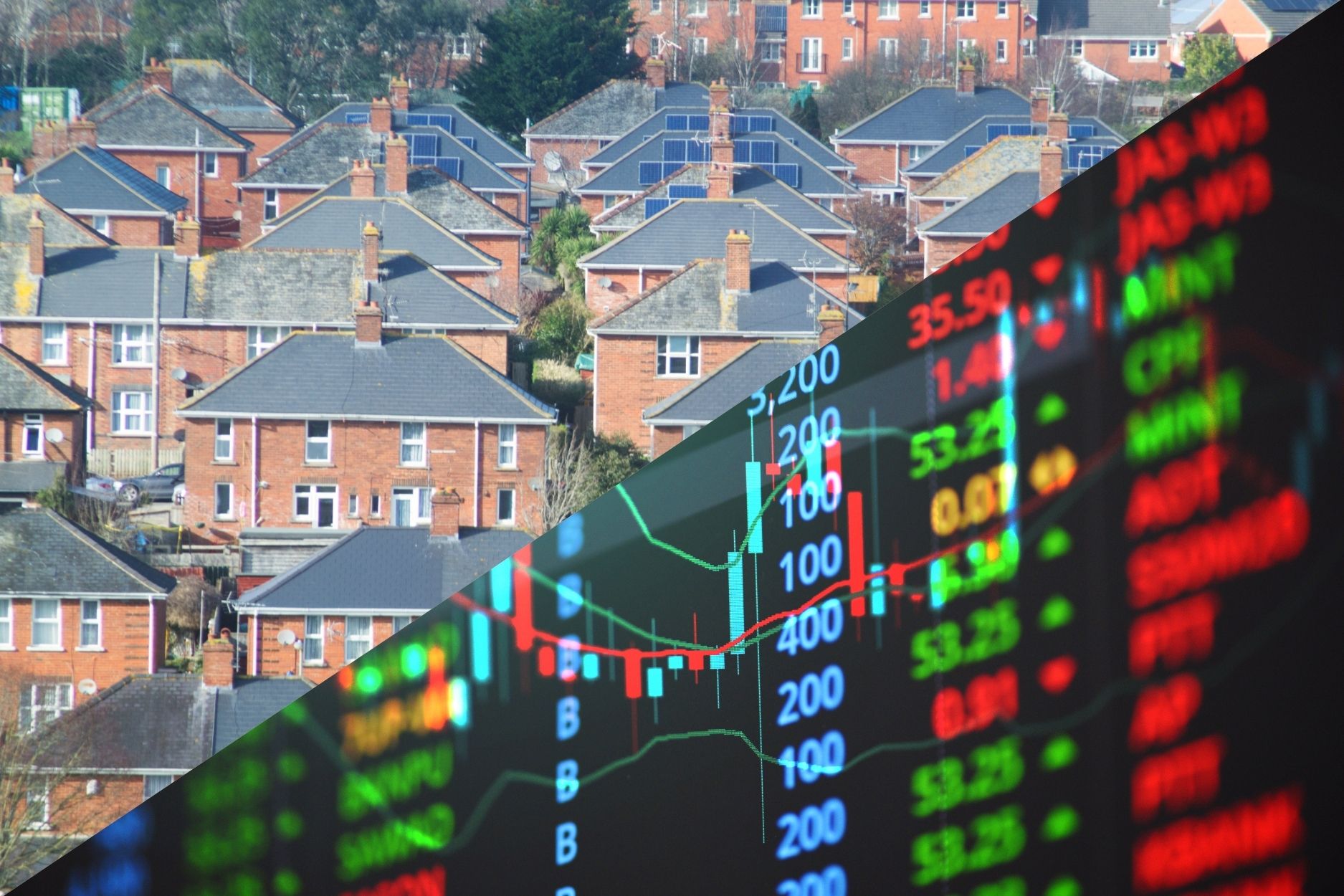

In 2026, investors are re-evaluating where to place capital amid economic uncertainty, interest rate shifts, and new regulations affecting multiple asset classes.
Comparing property, crypto, and stocks highlights why property investment 2026 is emerging as the most reliable choice for income and growth.
How is the 2026 Investment Landscape Different?
Several factors make 2026 unique for investors, including stabilising interest rates that provide greater clarity around financing options. UK housing demand continues to outpace supply, supporting ongoing rental growth and strong occupancy levels, while crypto markets remain highly volatile and face increasing regulatory scrutiny. At the same time, stock markets continue to fluctuate amid global economic pressures, leading many investors to seek more predictable, asset-backed returns and making property an increasingly attractive option.
The Strengths of Property Investment in 2026
Reliable Rental Demand
A national shortage of rental properties keeps occupancy rates high, particularly in major cities such as Manchester, Liverpool, and Birmingham.
Capital Growth Potential
Regeneration zones and northern cities are projected to outperform national averages, offering strong long-term appreciation.
Leverage Remains Favourable
Property allows investors to control larger assets with smaller upfront capital via mortgages.
Dual Return Streams
Monthly rental income combined with long-term appreciation provides predictable returns, unlike stocks or crypto.
Tangible Asset Security
Unlike digital or market-driven assets, property is a physical, stable investment offering security and resilience.
Comparing Property to Crypto in 2026
Volatility: Crypto remains highly sensitive to global news and regulation.
Speculation vs Stability: Property provides predictable income, whereas crypto depends on cyclical market sentiment.
Risk Profile: Crypto carries high risk despite market maturity; property is seen as medium–low risk.
Institutional Confidence: Traditional lenders, pension funds, and professional investors prioritise property.
Comparing Property to the Stock Market in 2026
Market Uncertainty: Stocks are vulnerable to inflation, interest rates, and geopolitical events.
Passive Income: Dividend yields are generally lower than rental yields.
Volatility & Liquidity Tradeoff: Stocks are liquid but unstable; property is stable but less liquid.
Historical Outperformance: UK housing has consistently grown over the long term, outperforming equities in many cycles.
Key Reasons Property Wins in 2026
Best Property Investment Regions for 2026
Manchester – exceptional rental demand and ongoing regeneration.
Liverpool – affordable entry, high yields, and strong 2026 forecasts.
Birmingham – business expansion, infrastructure upgrades, and partial HS2 benefits.
Further regional insights are available via City Insights.
Who Should Choose Property Over Crypto or Stocks?
This investment approach is particularly well-suited for investors who prioritize stable and reliable monthly income, providing them with consistent cash flow over time. It also appeals to long-term wealth builders who are focused on growing their financial assets steadily through capital appreciation and rental returns.
Additionally, this strategy aligns well with risk-averse investors or those aiming to maintain balanced portfolios, as property tends to offer more stability compared to more volatile asset classes. Moreover, it is ideal for individuals who are willing and able to hold assets over an extended period, understanding that real estate investments typically require patience to realize their full potential.
Conclusion
Property investment 2026 stands out for stability, predictable income, and growth potential, outperforming both crypto and stocks in terms of risk-adjusted returns. Limited housing supply and strong demand in key regions reinforce its strategic advantage.
For personalised guidance and to explore opportunities in 2026 and beyond:
Contact us today.
Discover how UK property investment secures wealth long term.
Explore developments and regional opportunities.