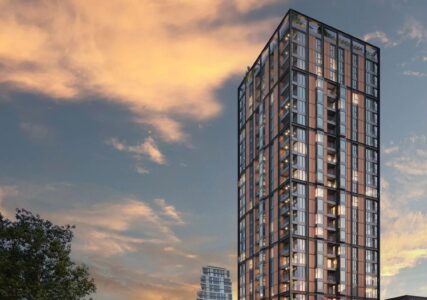
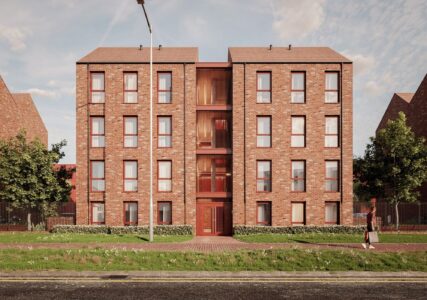
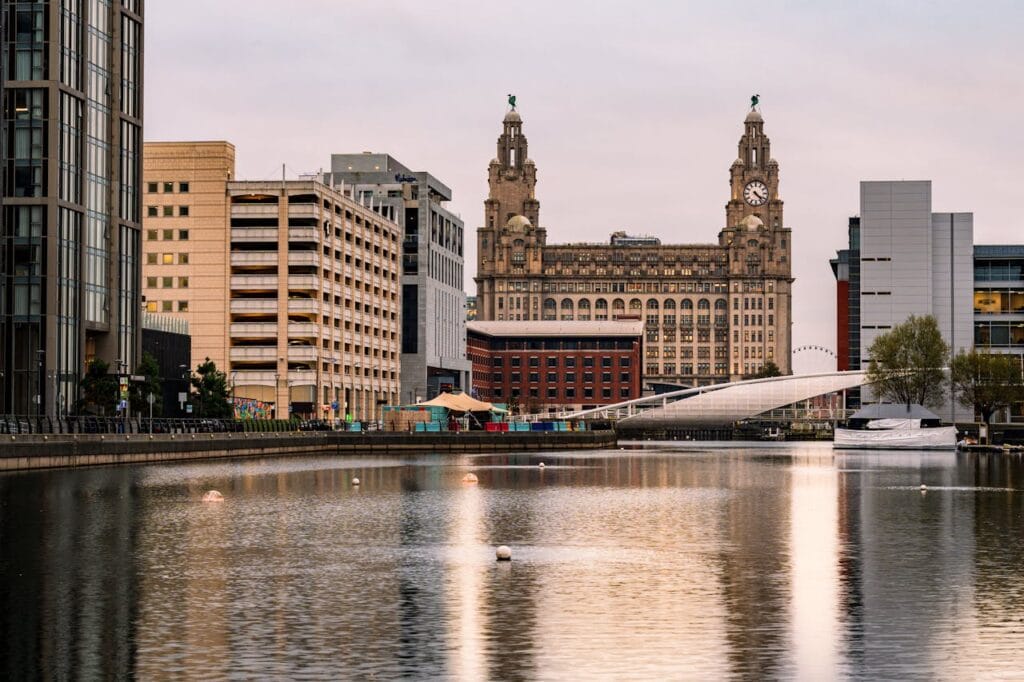
Liverpool has never been short of waterfront ambition, but some schemes carry more weight than others. The newly submitted plans for Brunswick Dock feel like one of those moments. Romal Capital has put forward proposals for the regeneration of the historic dock, with plans for 560 new homes, public realm improvements and the creation of the 1832 Farmers Market, a community-led concept designed to reconnect the site with Liverpool’s trading and maritime heritage. On the surface, it is another regeneration story. In reality, it says something much bigger about where Liverpool property is heading.
Brunswick Dock is not just another development plot. It is one of those locations that carries history, identity and long-standing untapped potential. For years, Liverpool’s docklands have represented both the city’s industrial legacy and its future growth story. When a site like this moves forward again, it does more than add homes. It reinforces confidence in the idea that Liverpool’s next phase of growth is still deeply tied to regeneration.
Why this scheme matters more than the headline number
A 560-home proposal is significant in its own right, but the real importance lies in what it represents. The project is aimed at transforming a dock that has remained largely inactive for decades into a mixed-use waterfront neighbourhood. That matters because successful regeneration is rarely only about housing supply. The strongest schemes create places people actually want to live, visit and spend time in.
That is why the wider elements of the plan stand out. Public realm upgrades help turn a residential scheme into part of the urban fabric rather than an isolated block of apartments. A market concept rooted in local history adds character and gives the development more identity than a standard waterside build. When regeneration is done well, it has a multiplier effect. It can improve perception, support surrounding values and help unlock wider interest in neighbouring areas.
Liverpool has seen this pattern before. Regeneration works best when it is not treated as a one-off building exercise, but as a long-term placemaking strategy.
Liverpool’s market is already moving in the right direction
This proposal also lands at a time when Liverpool’s broader property market is showing encouraging signs. House prices in the city reached an average of £182,000 in January 2026, while average private rents rose to £888 per month in February 2026. For investors, that combination still makes Liverpool stand out as a market where affordability and rental growth can sit side by side.
That matters because regeneration is most powerful when it takes place in a city that is already building momentum. Liverpool is not trying to create a property story from scratch. It already has one. The appeal lies in relative value, strong tenant demand, and continued investment across key parts of the city. A scheme like Brunswick Dock adds another layer to that narrative by reinforcing the waterfront as a serious long-term growth corridor.
For buyers and investors watching Liverpool, that creates a familiar but important signal. Regeneration is not only continuing. It is spreading into places with the scale and identity to shift sentiment more widely.
The waterfront still defines Liverpool’s growth story
Liverpool’s waterfront has always been central to the city’s image, but it is also central to its investment appeal. The docklands remain one of the most visible symbols of how Liverpool can reinvent historic infrastructure for modern residential and mixed-use demand. That is why each major waterfront scheme tends to carry influence beyond its own boundary.
Brunswick Dock sits within that wider picture. It strengthens the sense that Liverpool’s southern docklands still have an active role to play in the city’s future. That is important because investors do not only buy into units or postcodes. They buy into direction of travel. They look for signs that a city is moving with consistency, and that its regeneration story is not stalling.
The strongest regional cities in the UK are the ones able to show sustained progress rather than isolated bursts of activity. Liverpool continues to build that case, and waterfront regeneration remains one of its most compelling proof points.
What this means for demand and perception
Large regeneration schemes tend to influence the market in two ways. First, they increase direct supply. Second, they shape perception. The second effect is often underestimated.
When an underused historic site is brought back into the conversation through a meaningful redevelopment proposal, it sends a message about confidence, deliverability and future potential. That can affect how buyers, renters and investors view the surrounding area. It can make locations feel more connected, more desirable and more relevant to the city’s wider growth trajectory.
That does not mean every regeneration scheme automatically transforms values overnight. Property markets are rarely that simple. But it does mean that developments like Brunswick Dock contribute to a broader environment in which Liverpool looks increasingly investable, increasingly liveable and increasingly defined by renewal rather than missed opportunity.
For a city that has spent years proving its resilience, that kind of momentum matters.
A more lifestyle-led investment story
Another reason this project stands out is that it appears to lean into lifestyle as much as housing numbers. That is becoming more important across the regional property market. Buyers and renters are not only judging schemes by location and price. They are also looking at what kind of environment a place creates.
The inclusion of public spaces and a market concept reflects that shift. It suggests an understanding that modern developments need more than apartments to stand out. They need character, amenity and a stronger sense of place.
That is particularly relevant in Liverpool, where heritage and identity are such a major part of the city’s appeal. Schemes that work with that identity rather than against it are often the ones that resonate most strongly. In that sense, Brunswick Dock could appeal not just because it adds homes, but because it has the potential to create a destination.
As TK Property Group would note, that is often where the strongest long-term value emerges. Regeneration becomes more powerful when it enhances how people experience an area, not just how many units it delivers.