



Property Investments in Liverpool
Liverpool is one of the UK’s most affordable cities and offers access to some of the country’s highest attainable rental yields. Major waterfront regeneration, strong demand from students and professionals, and continued city-centre development are supporting its long-term outlook. Investors can discover high-yield opportunities and off-market properties nearing completion, providing options suited to both income-led and capital-growth strategies.

Liverpool Property Investment in Numbers
£188,000
Average house price in Liverpool
8.33%
Average gross rental yield in Liverpool
+23.3%
Forecast North West property price growth (2027-2031)
+5.4%
Annual private rental price growth (Sep 2026)
507,915
Liverpool population (2025)
+4.7%
Annual house price growth (Aug 2026)
Our Portfolio
First Phase

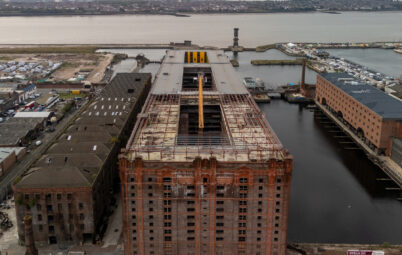
The Forge
Yields up to 7%
Completion Q4 2029
1-, 2- & 3-beds
Liverpool
Find Out More about The Forge
New
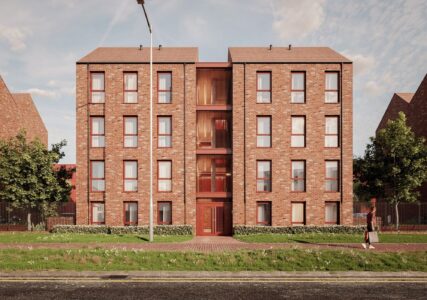
The Quayline
Yields up to 10%
Completion Q2 2028
1- & 3-beds
Back To Market
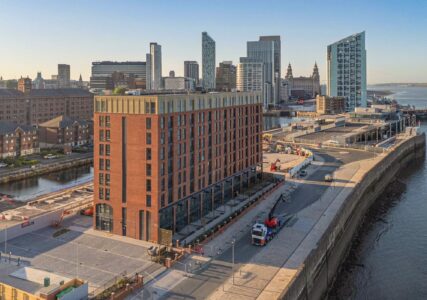
Final Unit
Get in Touch
Speak to Our Liverpool Property Investment Experts
Whether you’re looking for an investment property in Liverpool or want to explore your options, our team is here to help. We’ll guide you through every stage of your property investment journey.
Why Choose Liverpool
Liverpool

 Market Summary
Liverpool stands out as a property investment market thanks to its relatively affordable property prices and potential for attractive rental returns. According to the latest UK House Price Index, the average property price in Liverpool reached about £188,000 in August 2026, up 4.7% from the previous year. Average private rents also rose by 5.4% in the year to September 2026, while ongoing waterfront regeneration and demand from students and professionals continue to support interest in Liverpool's residential property market.
 Yields
Rental performance is one of Liverpool's biggest advantages for investors, with gross yields commonly averaging around 8.33%. These figures are supported by a broad tenant base that combines a substantial student population with young professionals seeking affordable city-centre living. Average monthly rents have increased by almost 10% annually, while higher-yield strategies are common around university districts and lower-priced residential areas, where HMOs and shared accommodation can offer yields of up to 9%.
 Regeneration
- Liverpool Waters: The £5.5 billion Liverpool Waters masterplan is transforming the northern docks through a long-term programme of residential, commercial and leisure development, creating new neighbourhoods along Liverpool’s waterfront.
- Knowledge Quarter: Around £2 billion of investment is helping develop the Knowledge Quarter as a centre for science, education, healthcare and technology.
- Anfield & North Liverpool: Regeneration around Anfield, Everton and Great Homer Street is improving housing, public spaces and local amenities across parts of North Liverpool, helping to bring new attention to traditionally lower-priced neighbourhoods.
 Connectivity
- Merseyrail: Liverpool’s Merseyrail network connects the city centre with residential areas across the region, providing easy access to stations which can significantly widen the tenant catchment for properties outside the city centre.
- Liverpool Lime Street: Liverpool Lime Street provides direct connections to Manchester, London and other major UK destinations, supporting commuters, professionals and businesses operating across the country.
- Road Network: The M62 connects Liverpool directly with Manchester and the wider motorway network, while the M57 provides access to employment areas across the city region.
- Liverpool John Lennon Airport: The city’s airport offers direct connections to a wide range of European destinations, supporting Liverpool’s tourism economy and improving access for international businesses, students, and residents.
 Areas Overview
- Anfield & Walton (L4) – High-Yield Entry Point: Low property prices and strong local rental demand make L4 one of Liverpool’s best-known higher-yield investment areas.
- Bootle (L20) – Affordable Regeneration Market: Bootle combines relatively low purchase prices with attractive rental yields.
- City Centre (L1/L3) – Professional & Lifestyle Demand: Central Liverpool appeals to professionals, graduates and renters seeking immediate access to employment, nightlife and leisure.
- Kensington & Edge Hill (L7) – Student Rental Demand: Close to Liverpool’s universities, hospitals, and Knowledge Quarter, L7 benefits from a dependable student and young-professional tenant market.
- Everton & Vauxhall (L5) – Regeneration-Led Opportunity: L5 is closely tied to the transformation of Liverpool’s northern waterfront and surrounding regeneration.
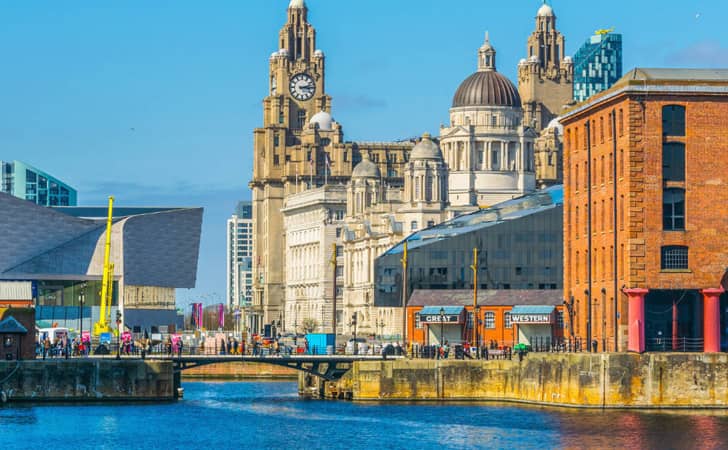
Investing in Liverpool
Why Invest in Liverpool Property?
Liverpool, a popular city in the North of England, offers an ideal environment for young professionals, students, and tourists. This vibrant and friendly city welcomes people of all ages and backgrounds. It is home to multiple world-class universities, boasts an exciting nightlife scene, and hosts several renowned international businesses, offering residents outstanding career prospects. With several reasons to relocate to Liverpool, ongoing regeneration projects, and a growing population, the demand for rental property continues to rise, making it an excellent hotspot for high-yield property investments.
Liverpool has a rich history, none more significant than its role as a major port city. The city's fame rose to new heights during the 1960s, when a local band, The Beatles, became one of the world's biggest musical acts. Nowadays, Liverpool is a prime tourist destination, attracting millions of visitors each year to enjoy its unparalleled leisure, shopping, music, sports, and entertainment. This well-connected city has many transport links by road, rail, sea, and air, and is just a 40-minute drive from Manchester. Liverpool is a great example of a city that has benefited from massive regeneration projects, and further redevelopment is underway to transform it even further.
Property Market & Growth
Liverpool Property Prices
Liverpool has experienced significant property price growth over recent years, supported by ongoing regeneration, an established rental market and continued investment across the city. Compared with many other major UK cities, Liverpool offers relatively affordable property prices, making it an attractive option for investors seeking rental income and long-term capital appreciation. Major developments, including the Liverpool Waters regeneration programme, are also strengthening the city’s appeal as a destination for property investment.
According to the Office for National Statistics (ONS), the average house price in Liverpool reached approximately £188,000 in August 2026, representing an annual increase of 4.7%. Liverpool’s rental market has also continued to grow, with average monthly private rents reaching £916 in September 2026, up 5.4% from the previous year. These figures highlight Liverpool’s competitive property prices and ongoing demand for rental accommodation.
With relatively affordable property prices, major regeneration projects and opportunities for attractive rental yields, Liverpool remains a compelling destination for property investment in the UK. Whether you’re an experienced investor or exploring your first property purchase, speak to one of TK Property Group’s investment specialists to discover property investment opportunities in Liverpool.

A City Reimagined
Liverpool's Regeneration Highlights
Liverpool has been transformed by regeneration, evolving into one of the UK’s most recognisable and vibrant city destinations. Following major redevelopment over the past two decades, the city has strengthened its economy, improved its waterfront, and expanded its retail, leisure, and residential offerings. The legacy of Liverpool’s European Capital of Culture year in 2008, alongside schemes such as Liverpool ONE and ongoing waterfront development, has helped reposition the city for long-term growth.
For property investors, Liverpool’s regeneration pipeline remains a major reason for continued interest in the city. New developments can meet demand from residents, students, professionals and visitors, while improving rental prospects in well-connected locations.
This section outlines some of Liverpool’s key regeneration highlights, including major past achievements and future projects that continue to shape the city’s investment appeal.


Discover Our Available Property Investments in Liverpool
View DevelopmentsNeighbourhoods at a Glance
Best Areas for Property Investment in Liverpool
Liverpool is a diverse city with several brilliant areas for modern, luxurious living. Whether living in North Liverpool, South Liverpool, or the city centre, residents will have easy access to everything they need. The city is well-suited to people with different preferences, including students seeking a lively lifestyle and young professionals seeking a quiet place to live outside of work. Whether you wish to invest in central property or a house on the city’s edge, endless opportunities await.
Before deciding on your Liverpool property investment, we recommend researching the city’s different areas. Liverpool’s locations offer exceptional capital growth and ever-increasing demand for rental properties.
In this section, we will help you find the perfect investment by looking at some of Liverpool’s best areas to live in.

City Centre
The city centre is undoubtedly one of the best places to live in Liverpool, and property is highly affordable. The Georgian Quarter is perhaps the city’s most affluent and stunning area, boasting striking architecture. Several of Liverpool’s largest developments will bring more luxury apartments to the city centre. Liverpool city centre has everything you could want for the perfect lifestyle, with key amenities and a bustling atmosphere within walking distance, making it an ideal spot for students and young professionals. Residents can enjoy world-class shopping, outstanding restaurants serving international cuisine, and exciting entertainment.
Baltic Triangle
The Baltic Triangle is a thriving area that has undergone significant transformation within the last ten years. What was once a rundown part of Liverpool has now been dubbed one of the ‘coolest places to live in the UK’, according to The Times newspaper. The Baltic Triangle is a trendy destination that embraces art, creativity and heritage. This Liverpool area is home to everything from digital businesses to independent food traders, live music venues and eye-catching street art. With so much to see and do, it’s no wonder that people are choosing to live in this up-and-coming location. The Baltic Triangle has already welcomed several regeneration projects, and many more are on the way, including a host of modern properties.


North Liverpool
North Liverpool is a large part of the city, comprising excellent neighbourhoods such as Anfield, Walton, Everton, Fazakerley, Aintree, and West Derby. The north of the town is the heartbeat of Liverpool, where community spirit comes first. North Liverpool is one of the most affordable areas in the city to buy a property and live. Anfield Stadium is here, attracting thousands of visitors each week. There are also excellent green spaces, including Stanley Park, Everton Park and Croxteth Country Park. North Liverpool has a perfect mix of terraced houses, detached houses and apartments.
South Liverpool
South Liverpool is a more affluent part of the city, home to some of its most expensive streets. Still, it remains affordable and is particularly popular among students and young professionals. This part of Liverpool includes Wavertree, Childwall, Allerton, Mossley Hill, Aigburth, and Speke. South Liverpool has everything from beautiful green spaces at Sefton Park and Calderstones Park to busy high streets and excellent leisure facilities. Lark Lane is a lively destination for gorgeous food and an unmissable nightlife scene. South Liverpool combines the best of quiet living with buoyant fun.
Stay Up To Date
Liverpool Property News
16 November 2026
Is Liverpool Building Enough Homes for Its Growing Rental Market?

21 October 2026
Which City Suits Your Property Investment Strategy?


18 September 2026
Liverpool Property Market Insights

6 September 2026
Invest in Liverpool Property A Guide For Property Investors
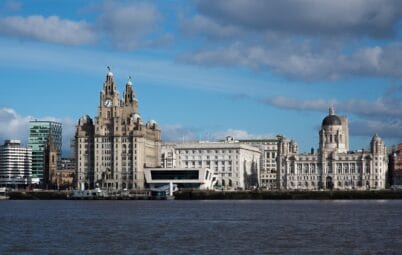





The People Behind the City
Who Lives and Rents in Liverpool?
Liverpool is home to a diverse and evolving population, and that is one of the key reasons the city continues to attract attention from property investors. While its large student population remains an important part of the local housing market, Liverpool’s demographic profile stretches far beyond its universities. The city is home to young professionals, long-term local residents, growing families, graduates who choose to stay after studying, and an increasing number of international residents drawn by education, employment and lifestyle opportunities.
A major driver of Liverpool’s changing population is its ability to attract younger age groups. With four well-known universities in the city, Liverpool brings in tens of thousands of students each year, many of whom contribute to the local economy long after graduation. Rather than leaving immediately, many stay on to begin their careers, helping to grow the city’s base of young professionals and renters. This steady flow from student life into graduate living supports ongoing demand across different types of rental properties, from shared accommodation to modern city-centre apartments.
Affordability is another reason Liverpool’s demographics continue to shift. Compared with many other major UK cities, Liverpool offers a lower cost of living and more accessible rental prices, making it attractive not only to students but also to first-time renters, early-career professionals, and people relocating for work. For many, the city offers a balance that can be difficult to find elsewhere: strong amenities, a vibrant social scene, cultural appeal and career opportunities, without the higher housing costs seen in places such as London or parts of the South East.
Employment opportunities are also shaping who lives in Liverpool. The city has developed a broader economic base across sectors, including digital, creative, healthcare, life sciences, education, advanced manufacturing and professional services. As regeneration continues and investment flows into key parts of the city, Liverpool is becoming increasingly appealing to a workforce that wants both opportunity and affordability. This strengthens demand from tenants who are not just passing through for university, but are choosing to build their lives in the city over the longer term.
For property investors, this changing demographic picture is significant. Liverpool is not solely a student market; it is a city with multiple tenant groups that support rental demand year-round. That creates a more resilient investment story, with opportunities across student accommodation, private rentals and homes suited to young professionals and city residents seeking long-term flexibility. As Liverpool continues to evolve, its expanding population is likely to remain a major factor in the city’s strength as a property investment hotspot.
Get in Touch
Enquire About Liverpool Property Investments
Call us or use the contact form to speak to our team about property investment opportunities in Liverpool.
Whether you have a particular development in mind or are exploring your options, we can answer your questions, check availability and help you find an opportunity that suits your investment goals.
Interested in buy-to-let investment in the UK? Talk to our team.
Frequently Asked Questions
Liverpool is a large, diverse city, so several areas are ideal for property investment. Some of the strongest rental yields are found in lower-priced areas close to the city centre, universities, and employment hubs. Areas like Anfield, Vauxhall, and Edge Hill can offer attractive income potential, while the city centre remains popular with investors targeting professionals and graduates. The best area ultimately depends on your budget, preferred tenant market, and whether you prioritise immediate rental income or long-term capital growth.
Liverpool’s long-term property outlook remains positive, although we can’t guarantee future price growth. Forecasts for the wider North West region continue to anticipate further growth in the coming years, with a 23.3% rise expected between 2027 and 2031. Affordability, regeneration and ongoing demand for housing continue to contribute to Liverpool’s investment appeal.
Absolutely. Liverpool boasts one of the UK’s most thriving rental markets, thanks to a broad tenant base that includes students, graduates, young professionals, families, and people relocating for work. Average private rents reached £909 per month in July 2026, up 5.7% from the previous year.
Liverpool attracts a diverse range of tenants, from students to young professionals and beyond. Multiple universities create strong demand for student accommodation, while the city centre and surrounding areas attract graduates and young professionals seeking access to jobs, transport, restaurants, and leisure facilities. Families and longer-term residential tenants also provide demand across Liverpool’s established suburban areas, giving investors several tenant markets to consider.
Massive regeneration in recent decades has significantly increased the appeal of previously overlooked areas by bringing new homes, businesses, infrastructure, employment, and amenities. Liverpool has several major regeneration projects underway, including the transformation of the north waterfront through Liverpool Waters, along with investment in areas such as the Knowledge Quarter and North Liverpool. For investors, buying in or near regeneration areas can offer opportunities for long-term growth.
There is no single minimum amount to invest in Liverpool property, as it depends on several factors, including the type of property, location, and whether you are buying with cash or finance. Liverpool remains relatively affordable compared with many other major cities in the country. In August 2026, the average price for a property in Liverpool was approximately £188,000. Other costs that investors should consider include the deposit, legal fees and property taxes.